Your home is showing climate damage. Let's fix it.
Enter your symptoms. Discover why materials fail. Get proven solutions.
Climate damage affects homeowners across coastal, tropical, and freeze-thaw regions differently. Salt air corrodes metal fixtures, humidity triggers mold growth in insulation, and temperature swings warp wood frames. Understanding the climate factor at work helps you choose materials that actually survive your environment.
What damage do you see?
Select visible signs. We'll explain the climate factor at work.
Condensation
Moisture beading on windows and metal surfaces, especially in humid coastal or tropical climates where air cannot dry naturally.
Salt Staining
White crystalline deposits on exterior surfaces, a signature of coastal salt air attacking paint, concrete, and metal finishes.
Wood Swelling
Doors and frames that stick or warp, caused by moisture absorption in high-humidity environments or freeze-thaw cycles.
Fabric Mold
Dark spots on upholstery, curtains, and stored textiles, thriving in tropical humidity and poor ventilation conditions.
Paint Peeling
Blistering and flaking coatings caused by moisture vapor pressure and salt-laden air breaking adhesion bonds.
Rust Formation
Orange-brown oxidation on fasteners, hinges, and structural steel, accelerated by salt spray and high humidity.
Why your materials fail: The science.
Coastal salt air, tropical humidity, freeze-thaw cycles—each attacks differently.
Coastal Salt Corrosion
Salt-laden air penetrates paint and protective coatings, creating electrochemical reactions that corrode ferrous metals and degrade concrete. Standard galvanizing fails within 5–7 years in high-salt zones; marine-grade stainless steel and epoxy-sealed systems extend service life to 20+ years.
Tropical Humidity & Mold
Relative humidity above 70% activates mold spores on organic materials—wood, fabric, drywall. Moisture-resistant insulation and antimicrobial coatings prevent colonization where standard materials fail within months.
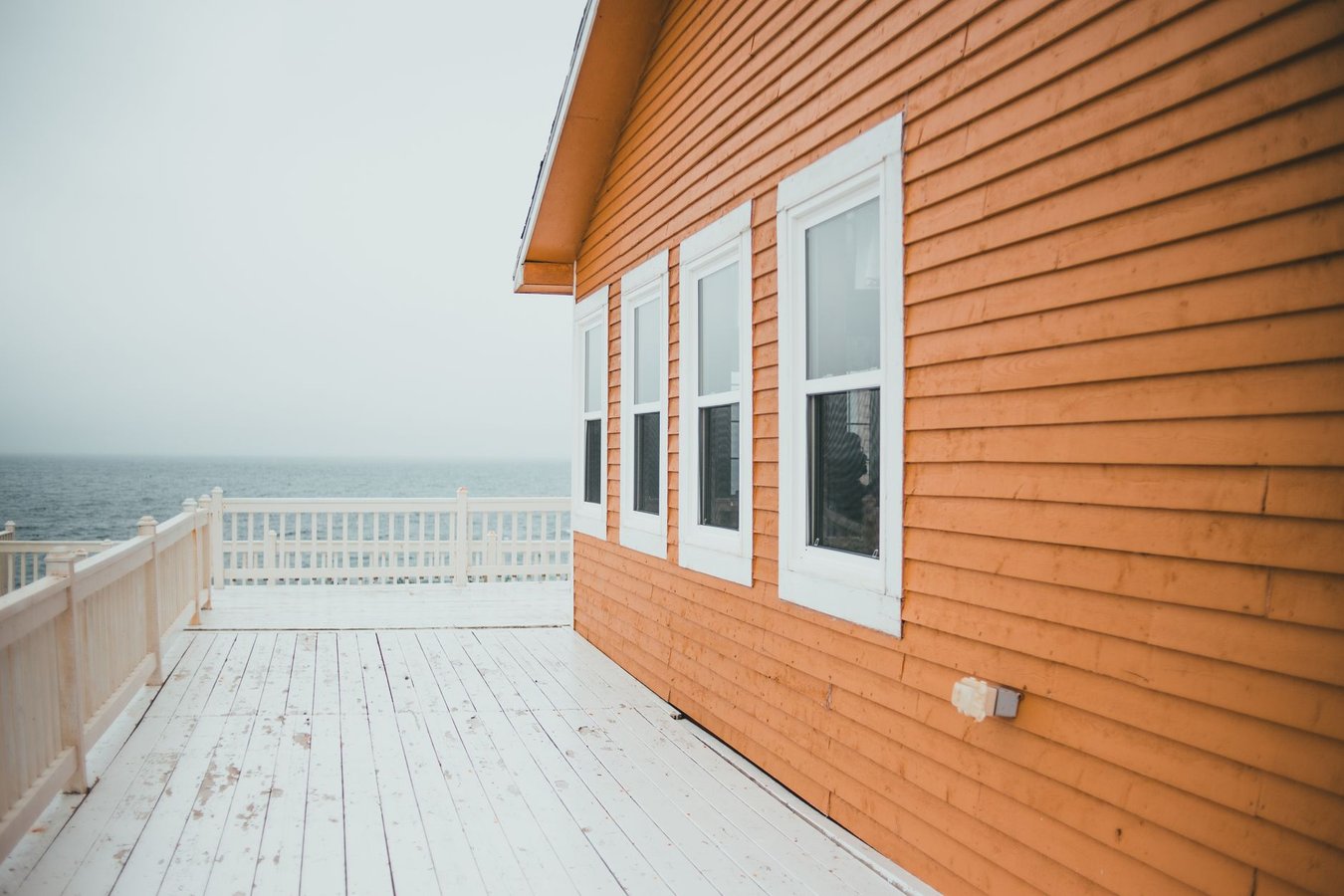
From symptom to solution: Decision trees.
Follow the logic. Each pathway leads to material recommendations.
Coastal Zone Pathway
If you see salt staining or rust formation near ocean air, marine-grade stainless fasteners and epoxy-sealed concrete prevent further corrosion. Standard galvanized hardware fails; upgrade to 316-grade stainless or hot-dip galvanized with epoxy topcoat.
Tropical Humidity Pathway
Condensation and mold on fabrics signal moisture control failure. Install closed-cell foam insulation and specify antimicrobial paint systems rated for 85%+ RH environments. Standard fiberglass and latex paint allow mold colonization within 6 months.
Freeze-Thaw Pathway
Wood swelling and paint peeling in cold climates indicate water infiltration and expansion stress. Use moisture-resistant engineered lumber and elastomeric coatings that flex with material movement, preventing adhesion failure.
Tested materials. Regional performance data.
Why moisture-resistant systems outperform standard alternatives in your climate.
Coastal Fasteners
Standard galvanized: 5–7 years before rust breakthrough. 316 stainless: 25+ years in salt spray. Testing per ASTM B117 salt fog confirms superior corrosion resistance in marine environments.
Tropical Insulation
Fiberglass batts: Mold colonization at 72 hours in 85% RH. Closed-cell foam: No mold growth after 30-day humidity chamber test. Moisture-resistant systems prevent interior air quality degradation.
Freeze-Thaw Coatings
Latex paint: Adhesion failure after 15 freeze-thaw cycles. Elastomeric acrylic: Maintains adhesion through 50+ cycles. Flexible systems accommodate wood movement without cracking.
Concrete Sealing
Unsealed concrete: Salt penetration to 2 inches in 6 months. Epoxy-sealed: Salt barrier maintained after 12 months coastal exposure. Protective coatings extend structural life by decades.
Climate-Rated Products
Regional performance data for Marmara humidity, coastal salt, and temperature swings.
Free delivery across Marmara Region on orders over ₺5,000 · 14-day return policy · Secure payment via bank transfer or card on delivery
Describe your climate damage. We'll recommend solutions.
Share your location, symptoms, and material concerns.